English
 Български


- Friday, 26 June 2020
In partnership with Children’s Books Foundation, the CoC "Clean&Circle" marks the International Day for Biological Diversity.
Since 1993, on May 22 we have celebrated the International Day for Biological Diversity. As the global community is called upon to reconsider its relationship with the natural world, one thing is certain: despite all our technological progress, we are completely dependent on healthy and vibrant ecosystems for our health, water, food, and energy — and these are just a few aspects.
The motto “Our solutions are in nature” emphasizes hope, solidarity, and the importance of working together at all levels to build a future of life in harmony with nature. The main messages in all initiatives related to the destructive impact of humans on the environment are aimed at realizing that we are part of this nature, and that the goal of our actions is not to dominate natural laws. We can learn about biological processes and the diversity of organisms and discover how to improve the environment we live in without harming it.
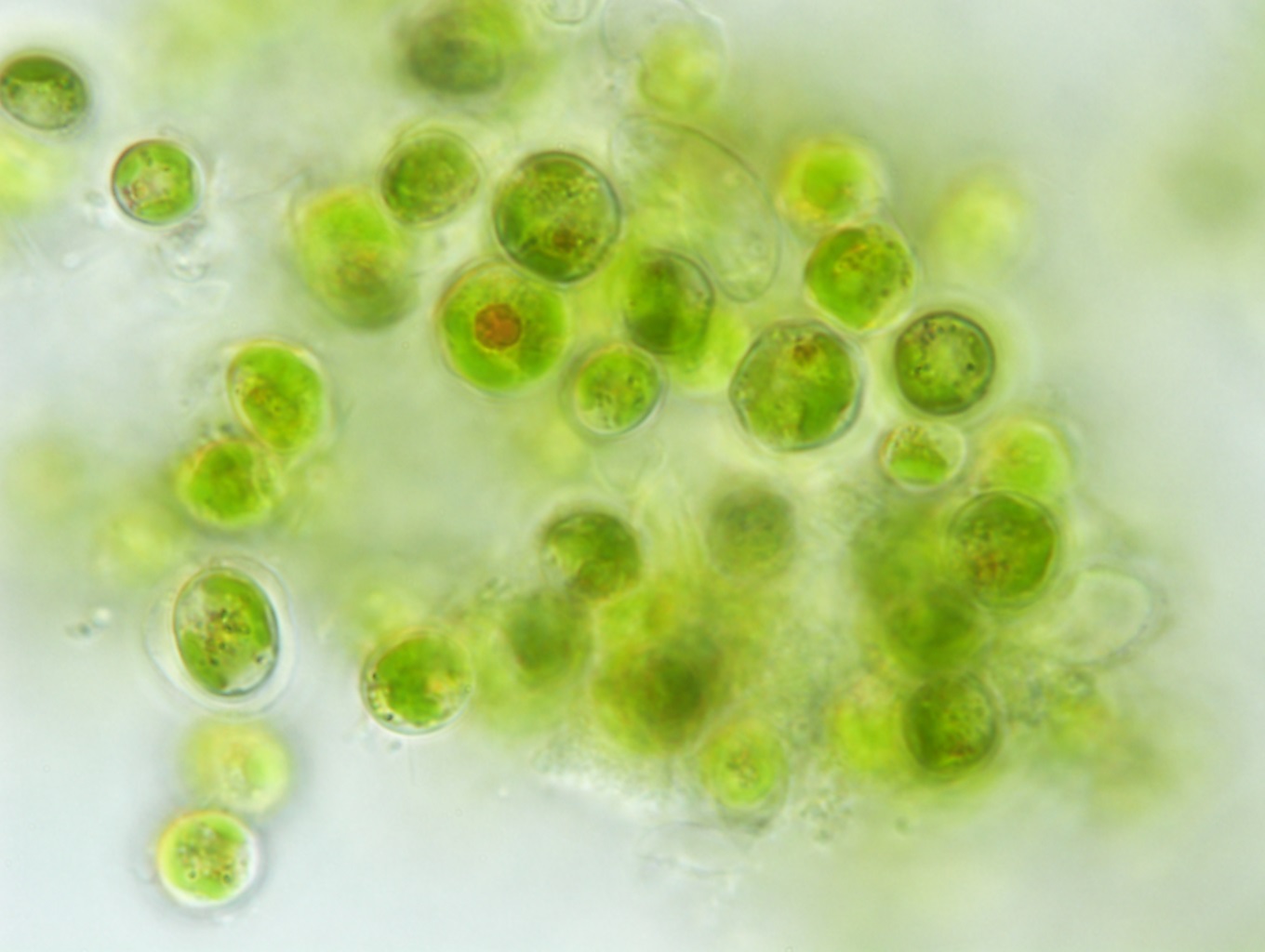
In recent months, humanity’s attention has shifted to one representative of the microscopic world – the SARS-CoV-2 virus (coronavirus), which causes COVID-19. Beyond being a danger to the health and lives of many people, this is also an opportunity to rethink our perception of strength and power. That is why we chose to shift the focus from endangered species in nature to the colorful diversity of a microscopic world which, aside from troubles, can also bring many benefits. And believe it or not, we will show you that it is extremely beautiful!
Young readers have at their disposal the book “What Are Germs” (Fjut Publishing) from the “First Questions and Answers” series. It clearly highlights the differences between bacteria and viruses and also pays attention to plants, animals, and microorganisms from which scientists draw ideas when developing medicines. In the book “Life Under the Microscope with 3D Glasses” (Fjut Publishing), older children can learn in an engaging way, with the help of 3D glasses, about the discovery of various microorganisms and microscopic animals – bacteria, unicellular and multicellular organisms, the kingdom of fungi, and more, their common habitats, cooperation, and many fascinating facts about them.
We will expand your perception of this micro world and introduce you to the colorful life of bacteria, paramecia, amoebas, ciliates, and tiny worms, invisible to the naked eye but made accessible thanks to technology and the scientists who use it. These organisms have many superpowers, one of which is purifying water – for both people and nature. Scientists at CoC “Clean&Circle” can make groups of diverse microorganisms break down and remove harmful substances from water, such as fecal matter, detergents, pharmaceuticals, and dyes. Even more impressive is that microorganisms and microscopic animals do this very actively while helping one another, as a team.
Another highly useful group of small organisms for humans are microalgae, also called algae, which help remove phosphorus and nitrogen from wastewater. This is necessary to prevent algal blooms (water greening), which can be devastating for aquatic organisms. Moreover, the process is completely harmless and produces additional biomass from algae. This biomass can be used as fertilizer in agriculture or integrated into technologies for biogas production, thanks to the energy accumulated in their cells while feeding on nitrogen and phosphorus from water and absorbing carbon dioxide from the air while enriching it with oxygen. This is precisely the goal of researchers working on clean technologies – to use nature’s resources efficiently, without unnecessary waste and environmental pollution. For us, beauty, benefits for people, and benefits for nature are inseparable, and in honor of this we celebrate today with the colorful dance of microorganisms. Let them be our teachers with their useful behavior for all.